

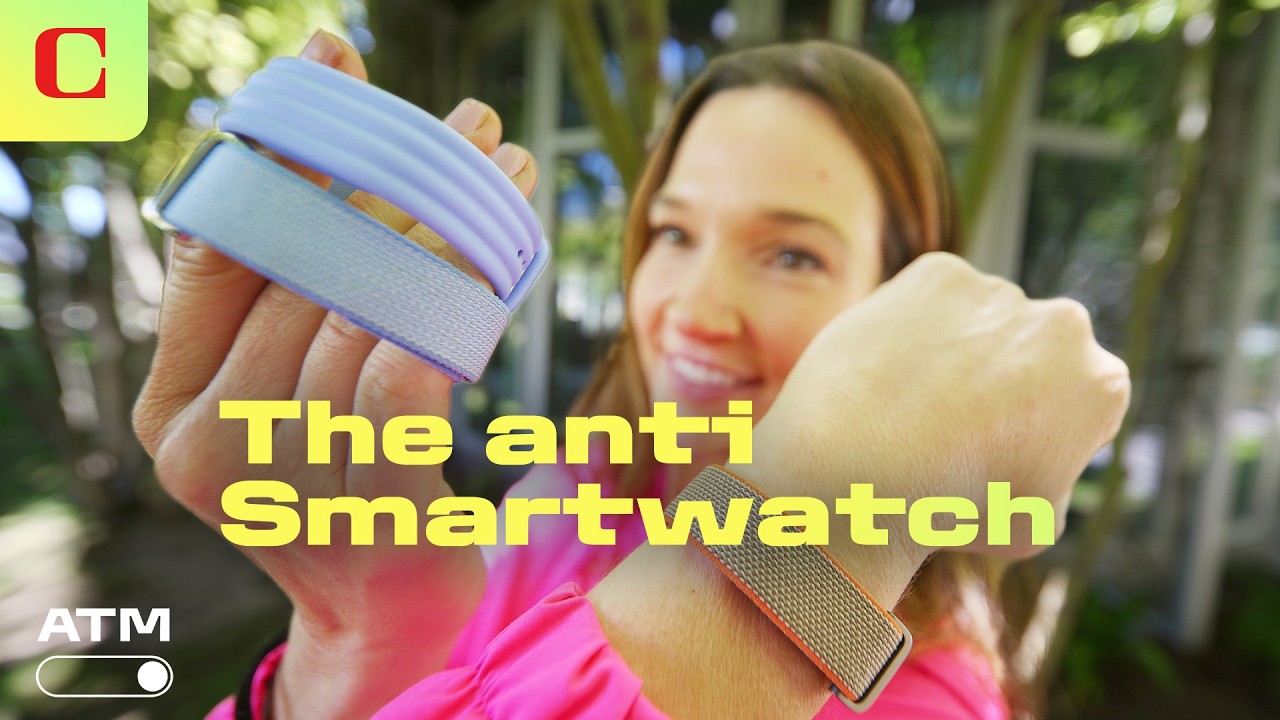
The Rise of the Anti-Smartwatch
In a world where our wrists are constantly buzzing, flashing, and demanding our attention, a new trend is quietly emerging: the “anti-smartwatch.” Leading this charge is the new Fitbit Air, a screenless, distraction-free wearable priced at just $100. It has no screen, no notification engines, no cellular connectivity, and no contactless payments. It offers pure, unadulterated health tracking. After wearing this device 24/7 for two weeks straight, I can confidently say that this minimalist philosophy is more than just a gimmick—it might actually change how we look at wearable tech.

Design and Comfort: Invisible Tech
Google has absolutely nailed the minimalistic aesthetic with the Fitbit Air. Unlike chunky, glowing smartwatches that look like mini smartphones strapped to your wrist, the Fitbit Air feels deliberately screenless. Its central sensor pod is incredibly compact—much smaller and less intrusive than competitor options like the Whoop Band—and swapping out bands is effortless.
During my testing, I sampled two primary band styles:
- The Woven Band: Visually stunning and incredibly comfortable for casual wear, though it takes a considerable amount of time to dry once wet.
- The Active Band: A sleek silicone strap that quickly became my go-to choice for day-to-day use, workouts, and sweat resistance.
As a seasoned smartwatch user, however, transitioning to the Fitbit Air brought some unexpected psychological withdrawal symptoms. In the first few days, I constantly lifted my wrist to check the time, only to be met with a blank band. I missed the ability to ping my misplaced phone, and I occasionally felt like the tracker was simply “freeloading” on my wrist without providing immediate value. The only physical feedback you get is a single LED light indicator: tap the device, and a white light signals a healthy charge, while a red light warns that the battery is running low. Yet, over time, this lack of feedback transformed from a minor annoyance into the device’s greatest strength.
The Real Superpower: Consistent Overnight Health Tracking
Once you stop expecting the Fitbit Air to act like a phone, it fades seamlessly into the background. You simply forget you are wearing it. Helping this invisible persona is its phenomenal battery life: I consistently squeezed eight full days of usage out of a single charge.
This long-lasting battery is critical for one major reason: consistent sleep tracking. Most high-end smartwatches end up sitting on a nightstand charger overnight. But true health tracking relies on overnight biometrics—such as resting heart rate, blood oxygen (SpO2) levels, breathing patterns, and sleep stages. Missing even a single night of sleep data can throw off your recovery trends entirely. Because the Fitbit Air stays on your wrist day and night, it gathers a much more complete and actionable dataset than premium smartwatches, even if its individual sensors are technically less advanced.

The Companion App and Google’s AI Health Coach
The Fitbit Air is fully compatible with both Android and iOS. While users might be familiar with the classic Fitbit interface, Google has officially rebranded the ecosystem to Google Health. The core app remains intuitive, displaying metrics cleanly without overcomplicating things. However, Google’s main focus is clearly its brand-new Google AI Health Coach.
Powered by Google’s Gemini LLM, the Health Coach acts like a conversational chatbot that possesses full access to your historical biometric data. This allows it to surface trends and customize training suggestions tailored to your goals. For instance, the AI was smart enough to note that my athletic performance might be slightly suppressed due to standard hormonal fluctuations and bloating during my menstrual cycle. However, there are times when the coach feels a bit too lenient—almost as if it is avoiding tough love to keep users happy and subscribed to the premium tier.
The Fitbit Air includes a free three-month trial of Google Health Premium, after which it costs $10 a month (or $100 annually). While the AI insights and deeper sleep analytics are excellent, they are thankfully not strictly necessary to enjoy the basic functionality of the tracker.
Performance Trade-offs: Fitness & Accuracy
Adopting such a highly minimalist design does come with some undeniable trade-offs, especially for fitness enthusiasts:
1. Workout Detection & GPS Tethering
The Fitbit Air relies on automatic workout detection. While it handles running and walking with ease, it struggles to recognize low-intensity, static activities like Pilates, yoga, or weightlifting. Because there is no screen to manually start an activity, you won’t know if a workout was missed until you open the app hours later. Furthermore, the device does not feature built-in GPS. During a six-mile hike in Yosemite, the tracker lost its tethered connection to my phone, splitting my trek into three separate, fragmented activities with no route mapping or elevation credit.
2. Heart Rate Accuracy vs. Chest Straps
In terms of step-counting, the Fitbit Air is incredibly accurate; in a manual 2,500-step test, it only over-counted by seven steps (less than a 1% error margin). However, heart rate tracking during high-intensity intervals is a different story. When compared to a Polar chest strap (the gold standard for heart rate tracking), the Fitbit Air struggled during peak exertion. During a sprint finish, my actual heart rate peaked at 180 BPM, but the Fitbit Air capped out at just 163 BPM—a notable 17 BPM discrepancy. For athletes training in specific heart rate zones, this limitation is worth keeping in mind.

Conclusion: Is the Fitbit Air Right for You?
The Fitbit Air is not a replacement for a dedicated running watch or a high-end notification hub. Instead, it is a highly specialized health accessory. In fact, Google now allows you to pair both a Pixel Watch and a Fitbit Air simultaneously within the Google Health app.
At an affordable $100 price point, the Fitbit Air excels at filling in the gaps of a standard smartwatch—namely, keeping tabs on your health while your main watch charges overnight. Whether you want to pair it with an existing smartwatch or completely disconnect from the digital noise, this lightweight, screenless tracker is a refreshing alternative in a hyper-connected world.