
The Dilemma of the Best: The Motorola Razr Ultra 2026
Motorola has officially unveiled its flagship foldable for the year, the Motorola Razr Ultra 2026. In many ways, it is the absolute pinnacle of clamshell foldable engineering—sleek, powerful, and sporting a premium build quality that rivals high-end sports cars. But there is a massive catch. While it is easily the best flip phone tested this year, its hefty new price tag means most consumers should probably hold off on hitting the buy button. Here is a deep dive into what makes this phone incredible, where it falters, and why patience might be your best financial ally.
The Design: Alcantara and Premium Aesthetics
At first glance, the 2026 Razr Ultra looks identical to its predecessor, the award-winning 2025 model. It shares the same dimensions, weight, processor family, cover display size, and overall build footprint. However, Motorola has introduced a gorgeous, ultra-premium material shift to justify its new premium positioning.
- The Alcantara Back: The phone features a stunning Alcantara fabric back in a new “Orient Blue” colorway (which leans closer to a deep, regal purple). Reminiscent of the interiors of Porsches and Lamborghinis, this fabric makes the phone the best-looking device of the year.
- Durability Bonus: Unlike traditional glass-backed foldables, the fabric back will not shatter or crack when dropped, offering a unique blend of style and structural resilience.
- Outstanding Cover Screen: The gorgeous 4-inch outer display remains the benchmark for the foldable category, offering unmatched usability and fluid app navigation without ever needing to flip the device open.
Display and Camera: Brighter Screen, Complicated Lens Tech
While the hardware dimensions remain static, Motorola has pushed the internal screen capabilities to a blinding peak brightness of 5,000 nits. This makes outdoor visibility in direct, harsh sunlight absolutely flawless. But when it comes to the cameras, the story becomes a bit more complicated.
The Promise of LOFIC Technology
The main wide-angle camera features a significant technical upgrade called a LOFIC sensor (Lateral Overflow Integration Capacitor). This specialized hardware is designed to protect highlights in your photos, ensuring that bright skies or intense light sources do not blow out into a solid white wash. Instead, the sensor preserves details and gradations in high-contrast scenes.
Real-World Camera Performance
In side-by-side shootouts with the 2025 model, the LOFIC sensor shows notable improvements, but it introduces unexpected side effects:
- Better Highlight Retention: Standard outdoor shots reveal much more saturated, realistic wood tones and rich greens in foliage. Shadows under roofs and architectural structures remain visible and detailed.
- The “Halo” Artifact: Under certain conditions, such as photographing trees against a bright blue sky, the phone’s heavy software processing creates a bizarre cutout effect. Leaves and branches often have an artificial, bright halo outline around them, giving photos an over-processed, unnatural look.
- Over-Saturated Video: The aggressive color saturation is even more pronounced in video mode. Furthermore, digital zoom on video is highly discouraged, as the image quality rapidly degrades and falls apart.
The Battery Revolution: Silicon-Carbon Innovation
One of the most exciting underlying technological shifts in the Razr Ultra 2026 is its transition to a silicon-carbon battery. Unlike traditional lithium-ion batteries, this next-generation design uses a silicon and carbon compound for the negative anode, allowing for significantly higher energy density in the same physical space.
As a result, battery capacity has jumped to 5,000 mAh (up from 4,700 mAh in the previous model). In real-world testing, this easily translates to a full day of heavy use, stretching to a day and a half under lighter weekend usage. While the ultra-bright 5,000-nit screen eats up some of these efficiency gains, achieving this level of battery endurance on a foldable device is a massive achievement.
Charging and the Accessory Conundrum
While the phone boasts impressive charging specs, the implementation leaves much to be desired. The Razr Ultra 2026 supports up to 68W wired charging. However, Motorola does not include a charger in the box of this premium device. To achieve those top speeds, users must purchase a proprietary $60 TurboPower charging block. Even with the proprietary block, charging speeds in testing went from 0% to 52% in 30 minutes—actually trailing behind Samsung’s Galaxy Z Flip, which hit 59% in the same timeframe using a standard, cheaper 25W charger.
Wireless charging is equally frustrating. The device theoretically supports 30W wireless charging using proprietary technology under ideal conditions. Unfortunately, Motorola does not manufacture a compatible 30W wireless charger, and no third-party accessories currently support this proprietary standard, leaving users with a high-speed feature they cannot physically use.
The Verdict: A Masterpiece with a Price Problem
The Motorola Razr Ultra 2026 retail price has jumped to $1,500—a steep $200 increase over last year’s model. While market pressures and rising RAM costs due to AI data center demand may have influenced this price hike, $1,500 remains incredibly expensive in today’s economy.
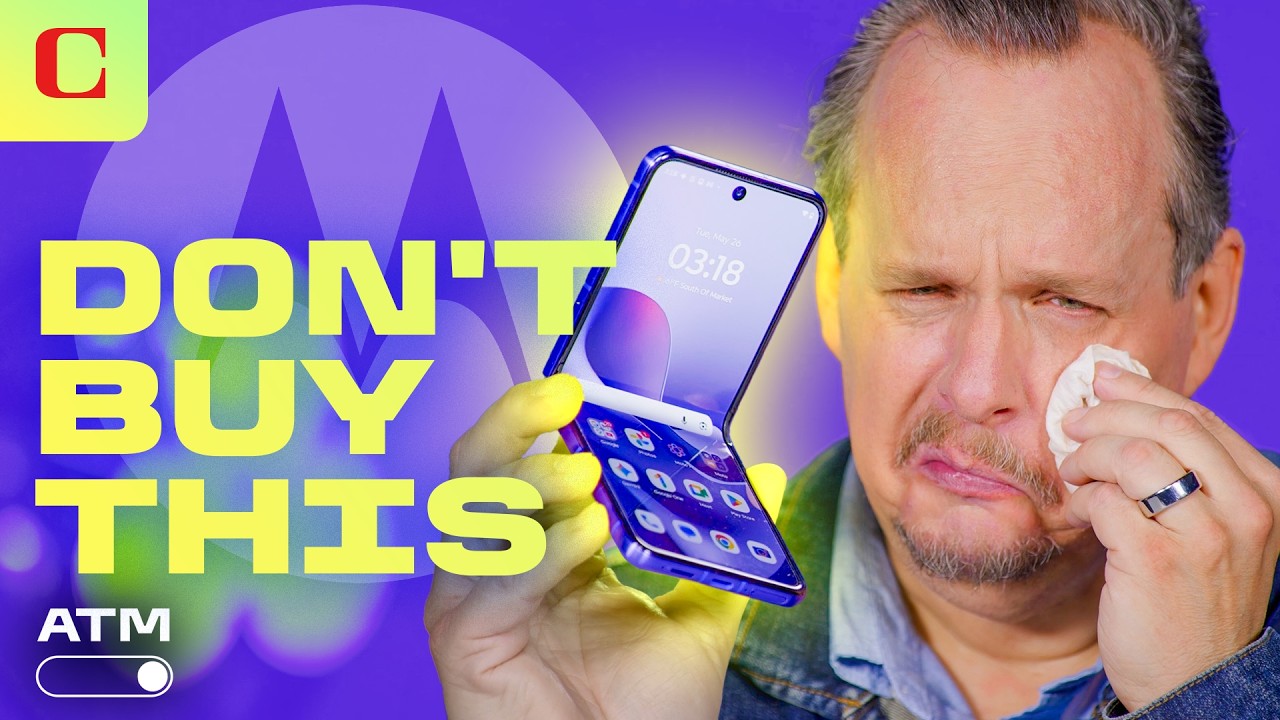
However, Motorola has a history of aggressive retail strategy. The company frequently offers steep discounts just a few months post-launch. If you are looking for the absolute best flip phone on the market, the Razr Ultra 2026 is it—but our recommendation is to wait. Once summer or autumn promotions roll around and knock $200 to $300 off the MSRP, this premium Alcantara-clad powerhouse will be worth every penny.