
A Historic Arabian Derby on the World Stage
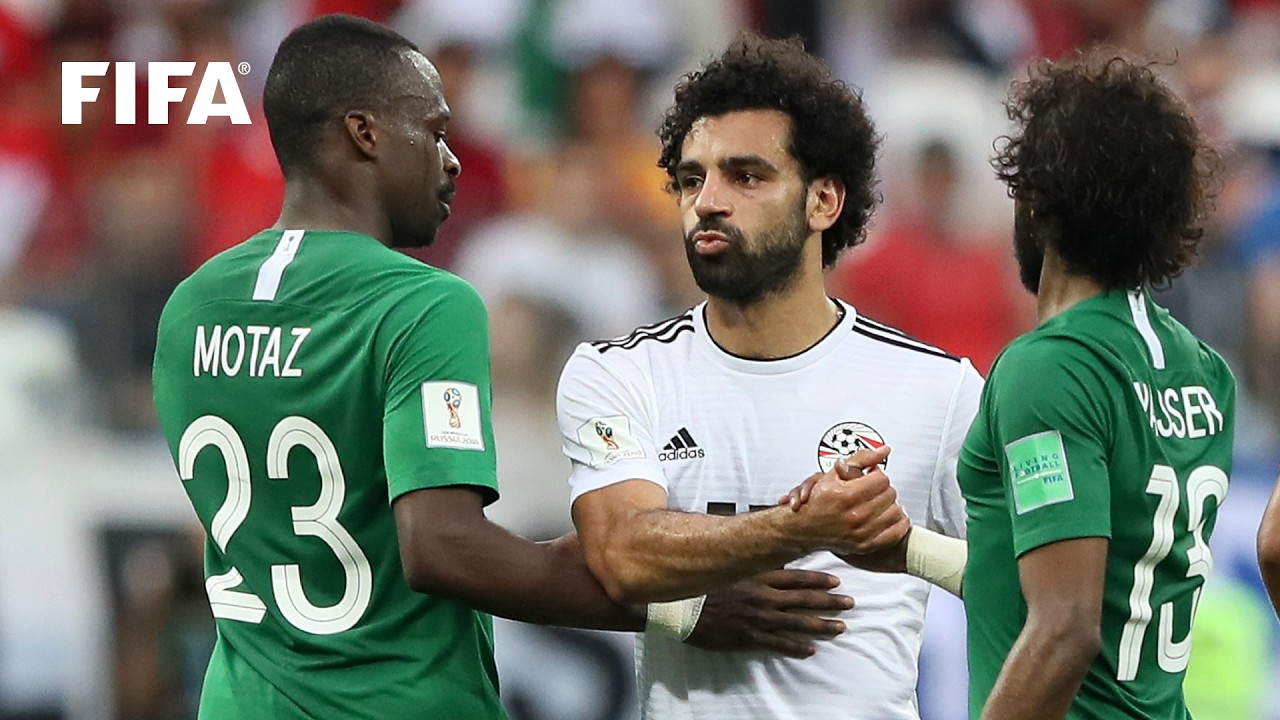
The final Group A fixture of the 2018 FIFA World Cup brought together two Middle Eastern footballing powerhouses: Saudi Arabia and Egypt. While both nations had already been eliminated from knockout contention, national pride, historic rivalries, and the pursuit of a landmark tournament victory turned Volgograd Arena into an electric theater of drama. It turned out to be one of the most eventful and emotional matches of the entire tournament.

Mohamed Salah Strikes Early
Egypt came into the match looking to send their fans home with something to cheer about, and talisman Mohamed Salah wasted no time making his presence felt. In the 22nd minute, Salah controlled a long ball forward with a sensational first touch, effortlessly lobbing the stranded Saudi goalkeeper Mohammed Al-Owais. It was Salah’s second goal of the tournament, showcasing the sheer individual brilliance that Premier League defenders had dreaded all season. Egypt found themselves ahead, seemingly in control of the contest.
Essam El-Hadary: Writing World Cup History
Beyond Salah’s flair, this fixture was already destined for football folklore thanks to Egyptian goalkeeper Essam El-Hadary. At 45 years and 161 days old, El-Hadary became the oldest player ever to feature in a FIFA World Cup match, shattering the record previously held by Colombia’s Faryd Mondragón.
His historic appearance was soon punctuated by heroics. When Saudi Arabia were awarded a penalty late in the first half following a handball decision, Fahad Al-Muwallad stepped up to equalize. However, the veteran keeper dove emphatically to his right, tipping the thunderous strike onto the woodwork and away to safety. It was a fairy-tale moment for the veteran shot-stopper, solidifying his legacy on football’s grandest platform.

Saudi Arabia’s Relentless Comeback
Despite the setback of the missed penalty, the Green Falcons refused to buckle. Saudi Arabia dominated possession throughout the match, patiently circulating the ball and testing Egypt’s defensive shape. Just before the halftime whistle blew, their persistence paid off when a second penalty was awarded in stoppage time after another controversial tussle inside the box.
- First Half Penalty: Fahad Al-Muwallad’s effort brilliantly denied by Essam El-Hadary.
- Redemption Penalty: Salman Al-Faraj stepped forward this time, sending El-Hadary the wrong way to level the score at 1-1.
- Possession Dominance: Saudi Arabia held nearly two-thirds of the ball, dictating the tempo and pressing Egypt deep into their half.
The Stoppage-Time Heartbreaker
The second half saw both sides exchange opportunities, but Saudi Arabia looked the sharper and more determined outfit in the final third. Egypt fought valiantly behind El-Hadary’s steady goalkeeping, yet the Green Falcons’ sustained pressure kept knocking on the door.

Deep into added time—in the 95th minute—the decisive moment arrived. Saudi Arabia orchestrated a fluent passing sequence around the Egyptian penalty box. Following a delicate touch and a quick exchange inside the box, the ball fell kindly to Salem Al-Dawsari. With precision and composure, Al-Dawsari struck a volley across the face of the goal, kissing the inside of the post to beat El-Hadary.
A Landmark Victory 24 Years in the Making
The final whistle confirmed a 2-1 victory for Saudi Arabia, marking their first World Cup win since the famous 1994 tournament in the United States. For Egypt, it was a bitter conclusion to a campaign full of high hopes. However, for football fans worldwide, the match served as an unforgettable spectacle featuring timeless records, breathtaking saves, and the sheer unpredictability that makes the World Cup so magical.