
The Last Dance of Giants: Tactical Resilience and Legacy at the FIFA World Cup 2026
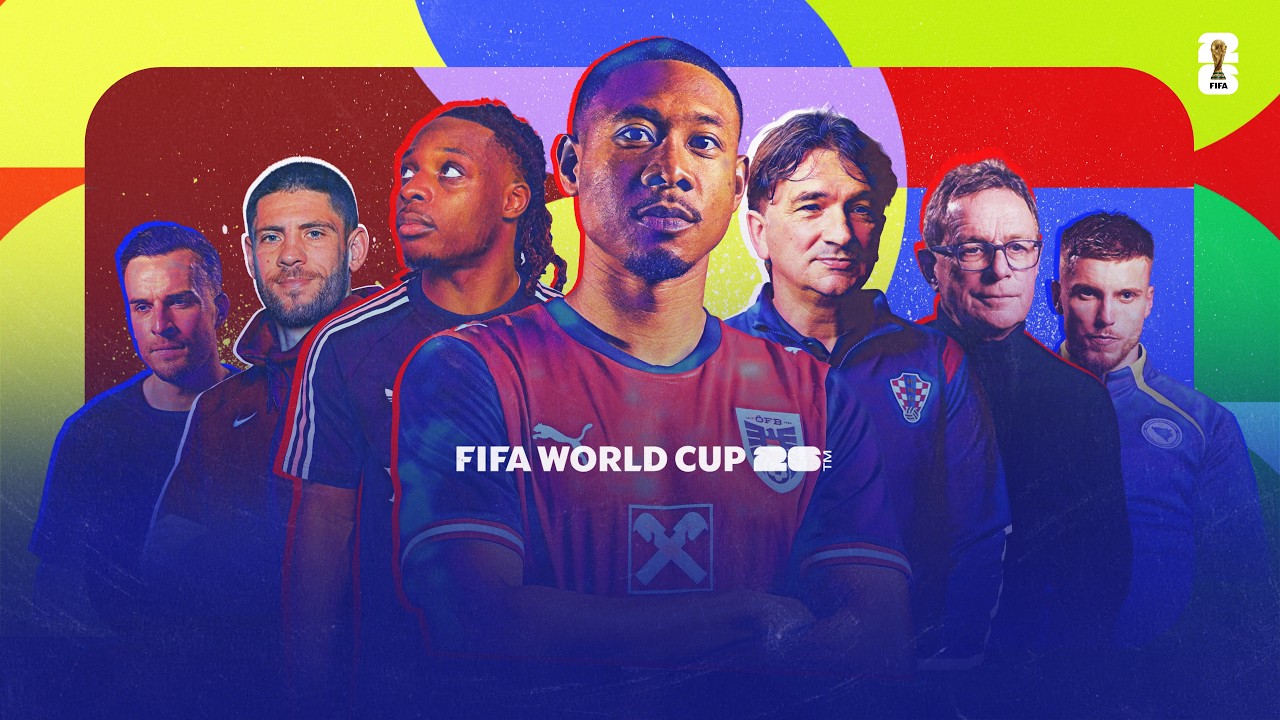
As we march closer to the highly anticipated FIFA World Cup 2026, the global football landscape is witnessing a fascinating intersection of raw emotional legacy and cutting-edge tactical modernization. The modern game is faster, more data-driven, and physically demanding than ever before. Yet, the human element—mentality, identity, and the poetic narrative of the ‘Last Dance’—remains the ultimate differentiator on the pitch. In this deep-dive analysis, we break down how four unique nations—Croatia, Bosnia, Austria, and Belgium—are preparing to navigate this transition, blending veteran wisdom with the raw power of a new generation.

Croatia: The Defiant Giants of the Balkan Peninsula
For a country with a population of just under four million, Croatia’s footballing exploits are nothing short of miraculous. Following a runner-up finish in 2018 and a bronze medal in Qatar 2022, critics who dismissed their success as ‘mere luck’ have been comprehensively silenced. The heart of this team remains the ageless magician, Luka Modrić. At nearly 40 years old, Modrić continues to defy biological limits, serving as both the emotional heartbeat and the deep-lying playmaker who dictates the tempo of the game.
However, head coach Zlatko Dalić faces the monumental challenge of phasing in a new generation without disrupting the team’s core identity of togetherness and collective resilience. Players like Joško Gvardiol and Nikola Vlašić are stepping up to become the new pillars of the squad. Croatia faces a brutal group stage opening against England, a test that will instantly measure if this blend of old-guard leadership and youthful exuberance can surprise the world once again.
Bosnia and Herzegovina: Unity Born from Adversity
Bosnia’s journey to the world stage is deeply rooted in personal and collective resilience. For many players, football was an escape from a turbulent, war-torn childhood. This shared history has forged an unbreakable family dynamic within the squad. This emotional energy is a potent force, transforming tactical schemes into passionately executed gameplans.

With the legendary icons of Bosnian football nearing the end of their illustrious careers, the squad is highly motivated to give them a fitting send-off. The emergence of young, dynamic talents like Esmir Bajraktarević, Tarik Muharemović, and Alen Alajbegović has injected a breath of fresh air into the squad. If Bosnia can maintain their structured defensive block and capitalize on high-intensity transition moments, they possess the mental fortitude to upset any heavyweight in the knockout stages.
Austria: High-Octane, Proactive Pressing under the Microscope
Under a highly tactical regime, Austria has rekindled a sense of euphoria among its fans. Moving away from defensive rigidity, the modern Austrian squad operates with a highly proactive, intense pressing system both in and out of possession. This tournament marks the very first World Cup for the vast majority of the squad and coaching staff, adding an incredibly emotional layer of excitement and nervous energy to their campaign.
The undisputed anchor of this tactical framework is David Alaba. Alaba’s role extends far beyond his defensive contributions; he acts as an on-pitch manager, shifting structures and directing play dynamically. Austria knows they enter a difficult group as underdogs, but their physical intensity and tactical discipline make them a nightmare opponent for teams that prefer slow, possession-based build-ups.
Belgium: Rebuilding After the Golden Era
For over six years, Belgium dominated the FIFA rankings, yet fell short of lifting a major trophy, with their best finish being third in 2018. Following a disappointing group-stage exit in Qatar, the ‘Golden Generation’ tag became a burden. The challenge now is to rebuild a wounded squad’s confidence, transitioning to a highly aggressive attacking style aimed simply at ‘out-scoring the opponent.’

Despite the transition, elite veterans like Kevin De Bruyne, Romelu Lukaku, and Thibaut Courtois remain key. De Bruyne’s unmatched vision and playmaking ability are crucial to guiding the emerging wave of Belgian youngsters. Embracing their new status as tournament ‘outsiders’, this rejuvenated Belgian squad might find the lack of pressure to be the exact ingredient they need to finally play with absolute freedom and fearlessness.
Conclusion: The Converging Narratives of 2026
The FIFA World Cup 2026 represents a critical turning point in international football. Whether it is Modrić’s final chess match, Bosnia’s emotional crusade, Austria’s high-pressing system, or Belgium’s youthful redemption, tactical sophistication and mental resilience will decide who writes history. On the world’s biggest stage, these teams are ready to prove that with belief, togetherness, and tactical execution, anything is possible.