

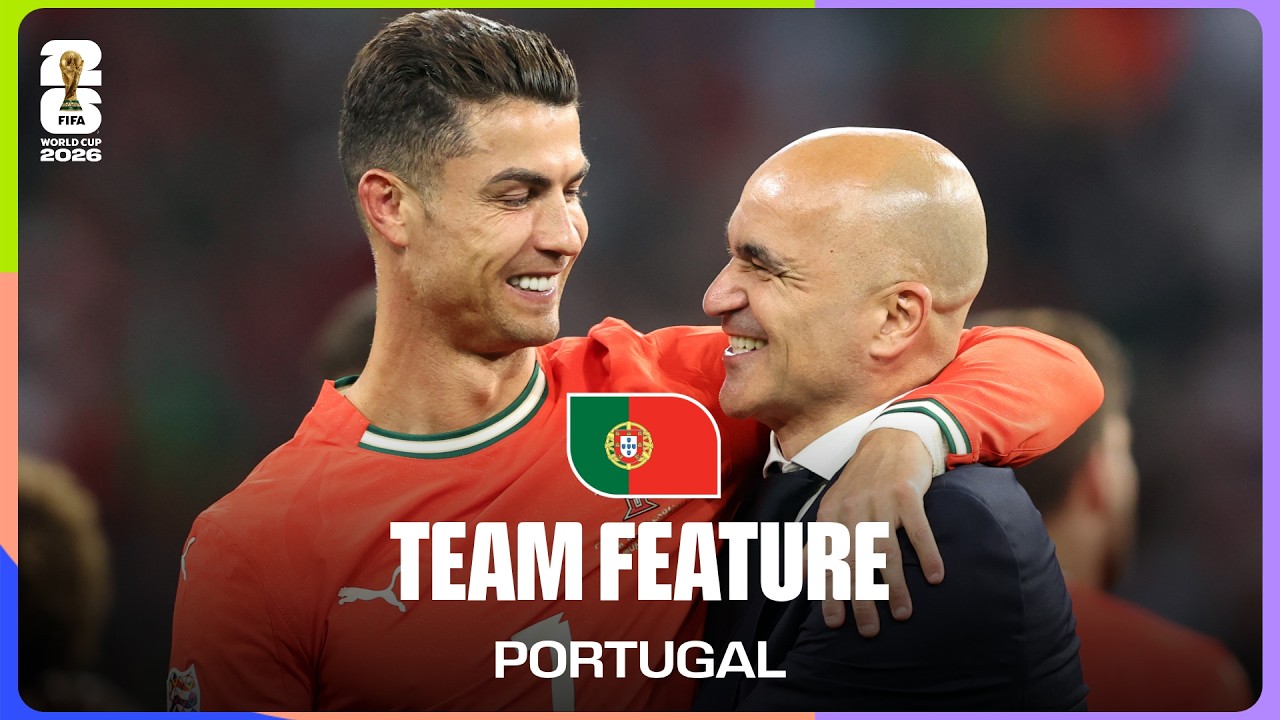
The World Cup occupies a sacred place in the collective consciousness of sports fans worldwide. It is more than just a tournament; it is a global phenomenon where history is written, legends are forged, and careers are defined. For Portugal’s national team manager, Roberto Martínez, the romance of the World Cup began in 1978—a childhood spark that eventually fueled a lifelong passion for the beautiful game. Martínez believes that every player, coach, and fan has a landmark moment where they truly fell in love with football, and almost always, that moment traces back to the high-stakes drama of a World Cup.

The Generational Bridge: Mixing Experience with Youth
What makes the current Portuguese squad particularly compelling is its brilliant blend of eras. This is a team defined by generational synthesis. On one end of the spectrum, Portugal boasts veterans with unprecedented longevity, including an iconic talisman heading into his historic sixth World Cup tournament. This level of durability and peak performance speaks volumes about the elite sports science, professional culture, and deep-seated passion inherent to Portuguese football.
On the other end, a wave of highly technical, energetic young talents is ready to make their mark on the international stage. The integration of these different generations creates a dynamic ecosystem where experienced leaders mentor hungry prospects, ensuring the nation’s rich footballing heritage continues to evolve on the pitch.
Strategy Beyond Talent: Resilience and Group Dynamics
While Portugal is undeniably blessed with some of the most technically gifted players on the planet, Roberto Martínez is quick to point out that raw talent is never enough to secure a tournament victory. Talent might win an individual match, but it cannot sustain a team through the gruelling, high-pressure weeks of a major tournament campaign.

Instead, Martínez emphasizes the critical importance of daily team dynamics, resilience, and collective psychology. To survive and thrive at this level, a squad must master several key principles:
- Overcoming Adversity: Navigating the inevitable difficult moments as a cohesive unit, rather than as isolated individuals.
- Fearless Play: Cultivating an environment where players are not afraid to make mistakes, allowing them to play with creative freedom.
- Mutual Support: Maintaining a relentless commitment to helping colleagues on and off the ball to overcome tactical challenges.
The Shadow of 1966: Chasing Historical Glory
Every great campaign requires a source of profound inspiration. For Portugal, that historical benchmark was set in 1966 by the legendary Eusébio and his trailblazing teammates, who secured a historic third-place finish. That iconic team showed the world what Portuguese football was capable of, and decades later, their spirit still guides the modern squad.

Step-by-Step to Immortality
Despite their lofty ambitions, Martínez stresses a highly pragmatic, disciplined, step-by-step approach. Rather than looking too far ahead to the final, the team’s immediate focus remains entirely on earning their way through the initial three group-stage matches. By treating each game as a final, Portugal intends to systematically build momentum, adapt to their opponents, and earn the right to advance deep into the knockout rounds. Under Martínez’s sophisticated tactical guidance, this hungry, balanced, and deeply passionate Portuguese team is fully prepared to write a glorious new chapter in football history.