
The Magic and Mayhem of the 2002 FIFA World Cup
The 2002 FIFA World Cup, co-hosted by South Korea and Japan, stands as one of the most chaotic, beautiful, and utterly unpredictable tournaments in football history. It was a tournament where the established order was thoroughly shaken, where legends cemented their legacies, and where underdogs wrote themselves into football folklore. From unforgettable hairstyles to moments of sublime athletic redemption, the 2002 tournament delivered drama that still resonates today.

Stories of Ultimate Redemption: Ronaldo and Beckham
Ronaldo’s Resurrection and the Iconic Haircut
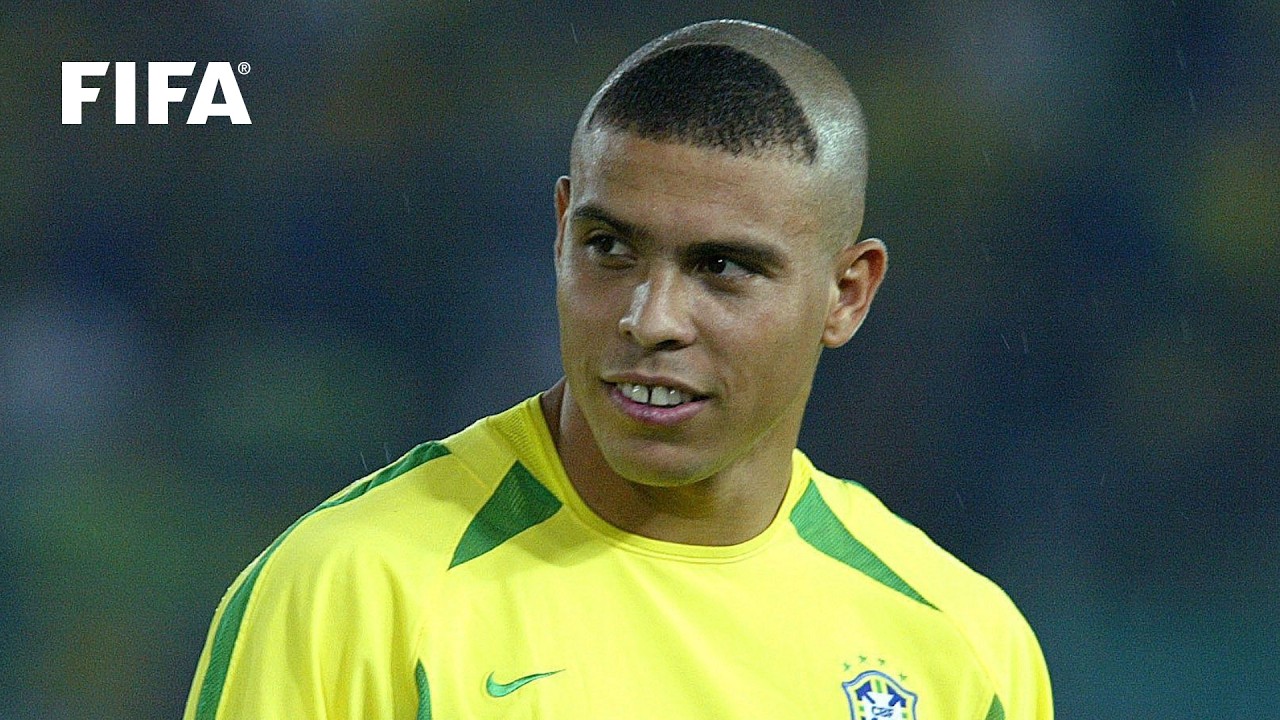
Four years after the heartbreak and mystery of the 1998 final in Paris, Brazil’s Ronaldo Nazário returned to the world stage on a mission. Sporting an intentionally bizarre half-moon haircut—designed, as he later admitted, to distract the media from his lingering knee injuries—the “Phenomenon” put on an absolute masterclass. Ronaldo’s two goals in the final against Germany, past an otherwise impenetrable Oliver Kahn, secured a record-extending fifth World Cup title for Brazil. It was the ultimate story of sports resurrection, proving that Ronaldo remained the world’s most lethal striker.
Beckham Exorcises His Demons Against Argentina
In 1998, David Beckham was vilified across England after receiving a red card against Argentina. Four years later, fate handed him the perfect opportunity for revenge. When England faced Argentina in the group stage of the 2002 tournament, a penalty was awarded. Refusing the psychological gamesmanship of his nemesis Diego Simeone, Beckham stepped up and blasted the ball past Pablo Cavallero. The sheer release of emotion in his celebration told the entire story: Beckham had officially exorcised his ghosts, transforming back from national scapegoat to beloved hero.

The Tournament of Giant-Killings
Senegal Shocks the Reigning Champions
The tone of the 2002 tournament was set on opening night. Senegal, making their World Cup debut, faced off against the reigning World and European champions, France. In a stunning display of tactical discipline and counter-attacking brilliance, Papa Bouba Diop scored the only goal of the match, prompting an iconic celebration around the corner flag. The Lions of Teranga proved that the gap in global football was rapidly closing, embarking on a historic run to the quarterfinals.
South Korea’s Golden Dream
Perhaps no team captured the imagination of the host nations quite like South Korea. Powered by a sea of red-shirted fans and the tactical genius of Guus Hiddink, the co-hosts went on a miraculous run. The peak of this frenzy came in the Round of 16 against powerhouse Italy. After a grueling battle, Ahn Jung-hwan rose above the Italian defense to head home a dramatic golden goal, sealing a legendary victory and writing his name permanently into footballing lore.
Moments of Audacity: Ronaldinho’s Long-Range Lob
As the tournament progressed, individual moments of genius decided the tightest fixtures. None were more spectacular—or debated—than Ronaldinho’s free-kick against England in the quarterfinals. Standing nearly 40 yards out on the right wing, the young Brazilian playmaker noticed England goalkeeper David Seaman drifting slightly off his line. With audacious technique, Ronaldinho floated a brilliant, looping shot directly over Seaman’s outstretched arms and into the top corner. Whether intentional or a cross gone wonderfully right, it remains one of the most famous goals in World Cup history.

The Enduring Legacy of 2002
The 2002 FIFA World Cup was more than just a sporting event; it was a cultural phenomenon. It popularized football in East Asia, redefined the capabilities of underdog nations, and gave fans some of the most dramatic storylines ever witnessed on a pitch. Decades later, the memories of Ronaldo’s haircut, Beckham’s redemptive roar, and the ecstatic celebrations of South Korea and Senegal remain as vivid as ever, reminding us why we fall in love with the beautiful game.