

The Architecture of Greatness: Deconstructing the World Cup’s Most Iconic Goals
The FIFA World Cup is more than just a tournament; it is a global stage where players transition from athletes to legends. Every four years, billions of eyes witness moments of sublime skill, dramatic tension, and historical significance. In this deep dive, we break down the definitive masterpieces of World Cup history, analyzing the sheer athleticism, technical genius, and tactical perfection that defined these unforgettable goals.

The Samba Standard: Brazilian Artistry on the Pitch
No conversation about footballing beauty is complete without Brazil. The Seleção has consistently redefined what is possible on a pitch, turning tactical formations into fluid, artistic expressions.
Carlos Alberto (1970) vs. Italy
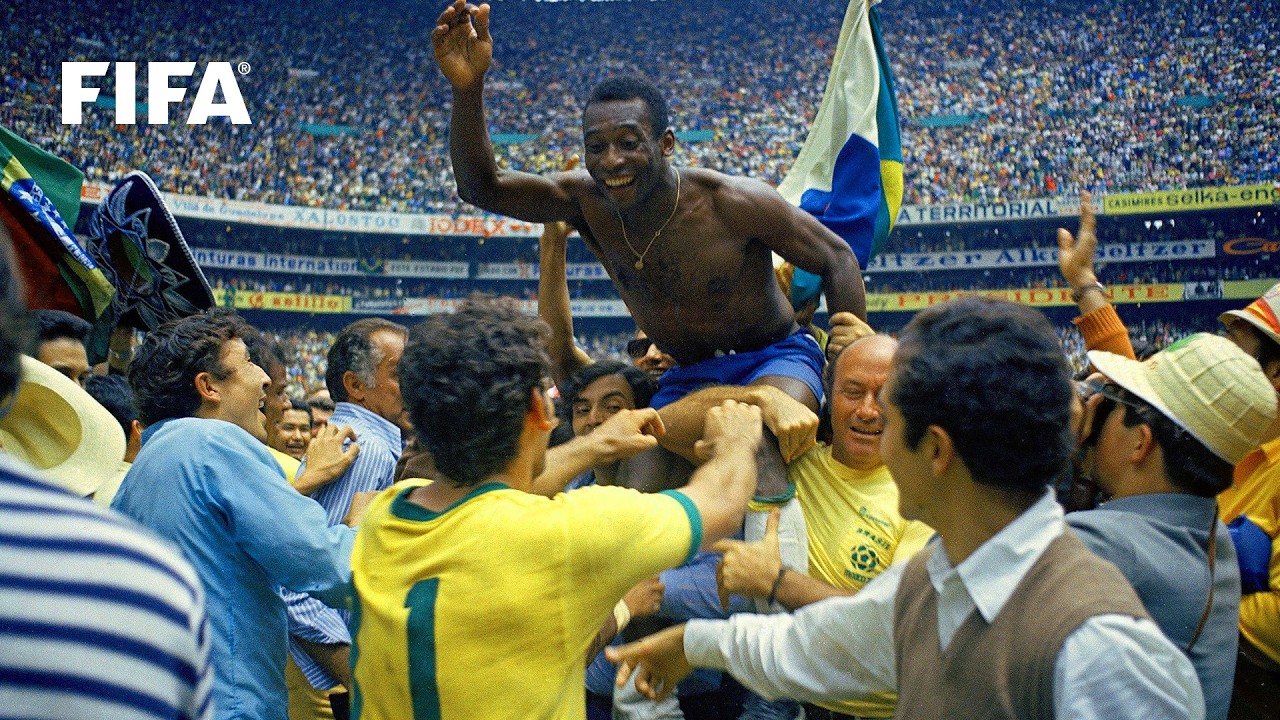
Widely regarded as the greatest team goal ever scored, Carlos Alberto’s strike in the 1970 final against Italy is the epitome of “Joga Bonito.” It was a culmination of nine passes that dragged the Italian defense apart. From Clodoaldo’s dazzling dribble past four players to Pelé’s perfectly weighted, blind pass to the overlapping Carlos Alberto, the finish was as explosive as the build-up was patient. It wasn’t just a goal; it was a statement of cultural and sporting superiority.
Eder (1982) vs. Soviet Union
In 1982, Brazil fielded one of the most talented teams to never win the tournament. Eder’s legendary late strike against the Soviet Union showed why that squad was so beloved. After Falcão dummy-passed the ball, Eder flicked it up with supreme confidence and unleashed a spectacular volley that left the goalkeeper entirely frozen. It was pure intuition executed at lightning speed.
The Anatomy of Individual Brilliance
While team chemistry produces breathtaking art, there are moments when a single individual decides to bend the game to their absolute will. These solo efforts combine raw physical power with pinpoint precision.

Arjen Robben: The Dutch Speedster
Arjen Robben’s pace and signature cut-inside move have terrorized defenses for over a decade. In his iconic World Cup runs, Robben demonstrated that knowing what a player is going to do does nothing to help you stop it. His sheer acceleration, close control, and cool-headed composure in front of goal made him one of the most lethal wingers in World Cup history.
Michael Laudrup: Danish Dynamism
Michael Laudrup’s ability to manipulate space was second to none. His magnificent turn and run through the heart of defenses showed a level of elegance rarely seen in high-stakes modern matches. Laudrup could dissect teams with a single pass or a subtle body feint, turning defenders into mere spectators of his genius.
Stunning Volleys and Long-Range Rockets
Sometimes, a goal goes down in history simply because of the sheer technical difficulty of the strike. Striking a ball cleanly from distance requires a perfect alignment of timing, body positioning, and courage.
- James Rodriguez (2014) vs. Uruguay: Chest to control, a quick glance at the target, and a breathtaking volley that clipped the underside of the crossbar. This strike launched James into global superstardom and won the Puskás Award.
- Tomas Rosicky: Known as the “Little Mozart,” Rosicky’s long-range rocket for the Czech Republic proved that he knew exactly where to place the ball before it even reached his feet, combining power with surgical precision.
- Kevin De Bruyne (2018) vs. Brazil: A trademark counter-attack finished with a low, driving rocket into the bottom corner, showcasing Belgium’s golden generation at the absolute peak of their powers.

Historic Milestones and Pure Emotion
The magic of the World Cup isn’t just about the top-tier powerhouses; it is also about the emotional highs of underdogs and host nations writing their own history.
Siphiwe Tshabalala (2010): “Goal for South Africa!”
On the day of his 50th cap, Siphiwe Tshabalala scored the opening goal of the first-ever World Cup on African soil. The thunderous left-footed strike into the far corner sparked a continent-wide celebration. The joy, the iconic dance celebration, and Peter Drury’s legendary commentary cemented this goal as one of the most emotionally resonant moments in sporting history.
Denis Cheryshev (2018) vs. Croatia
Playing on home soil, Russia’s Denis Cheryshev provided a moment of absolute magic. His brilliant curling effort into the top corner from outside the box proved that the pressure of hosting can inspire players to reach heights they never thought possible.
Conclusion: The Legacy of Greatness
What makes these goals live forever in our collective memory is their ability to transcend the match itself. They represent moments where pressure met preparation, producing flashes of artistic brilliance that define generations. As we look forward to future tournaments, these iconic goals remain the gold standard of what makes football the truly beautiful game.